The Honest Spring Lawn Prep Checklist (No Magic, Just Work)
Forget the influencer hacks. Here's the unglamorous, week-by-week list we actually use to bring tired lawns back to life every March.
The short answer
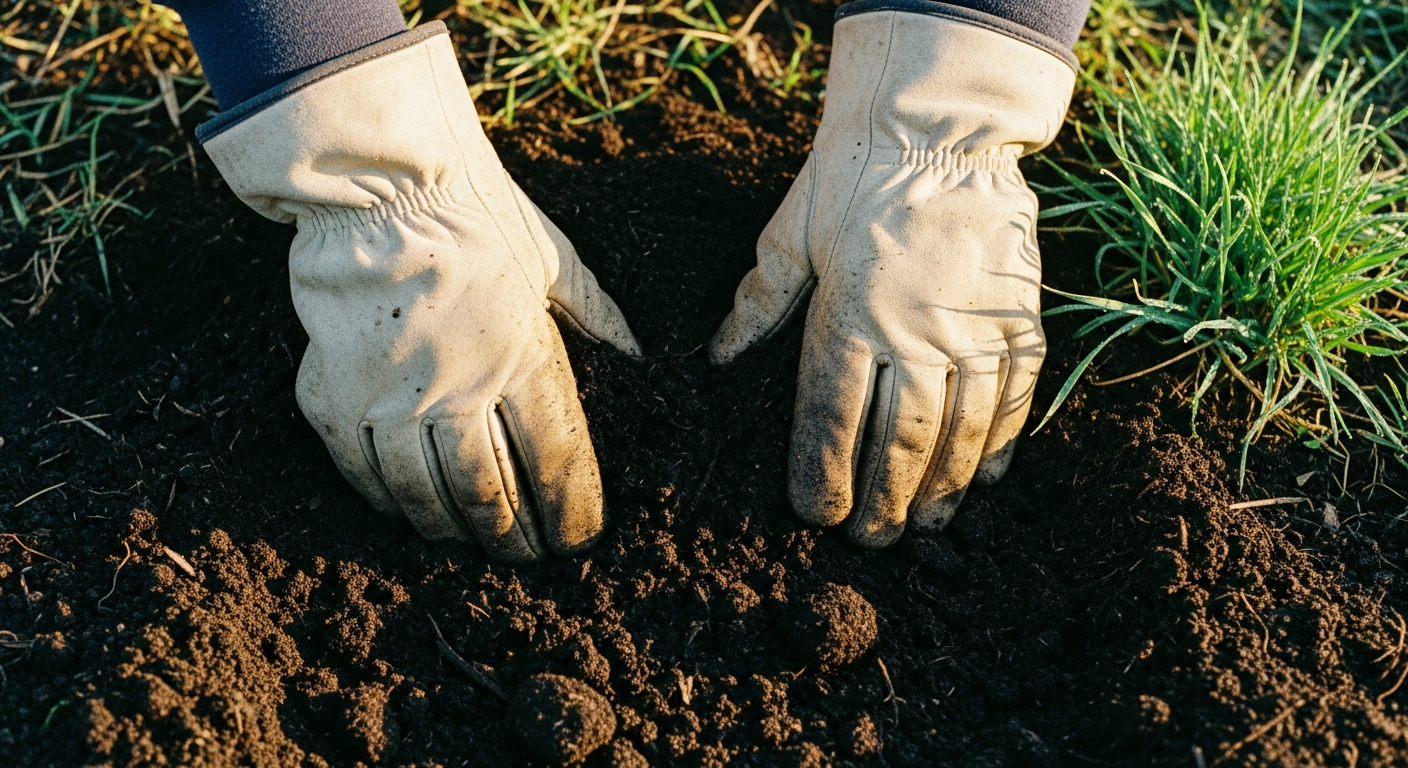
Spring lawn prep is a four-week sequence, not a single Saturday. Walk the yard week one to flag damage, clean up debris and edge beds week two, take a high first cut on dry ground week three, then overseed thin spots and top-dress with compost week four. Skip the magic dust — order matters more than products.
Key stats
- Cool-season grass should not be aerated until soil temperature reaches 55°F (about 13°C).Source: University of Minnesota Extension
- Mowing too short — below 2.5 inches — is one of the top causes of crabgrass invasion in spring lawns.Source: Penn State Extension
- Dull mower blades tear grass tips, causing browning within 24–48 hours and increasing disease risk.Source: Purdue Turf Science
Spring is the season everyone wants a green lawn and nobody wants to do the work. We get it. After a decade of pushing mowers across the metro area, here is the list we actually run for our weekly clients — no fertilizer secrets, no magic dust, just steps in the right order.
Why does spring lawn prep need four weeks instead of one weekend?
Grass crowns are fragile after winter, soil is still soft, and the sequence of cleanup → first cut → overseed only works when each step is given time to settle. Compressing it into one Saturday is the single most common reason a "clean" April lawn looks ragged by Memorial Day.
Week 1: Walk the yard before you touch it
Before any tool comes out, walk every square foot. You are looking for:
- Vole runs and mole tunnels under matted grass
- Bare patches caused by salt, dog urine, or last year's snow piles
- Branches and storm debris hiding in the beds
- Compacted high-traffic strips along walkways
Mark problem zones with landscape flags. If you skip this, you will mow over a hidden brick and snap a blade three minutes in. Ask us how we know.
Week 2: How should I clean up the yard before mowing?
Resist the urge to mow. The ground is still soft and the grass crowns are fragile. Instead:
- Hand-rake the leaf litter you swore you got in November (you didn't)
- Edge the beds with a half-moon edger so the lines are crisp before growth explodes
- Bag everything — do not mulch wet leaves into the lawn, they will smother new shoots
This is also the perfect week to call us about a one-time yard cleanup. We haul the whole pile away in the same visit. No bags lined up on the curb for two weeks.
Week 3: When is it safe to take the first cut?
Wait for a stretch of two dry days. Set the deck high — three inches minimum. The first cut is about evening out winter growth, not a manicure. Sharp blades only. Dull blades tear the grass and turn the tips brown within 48 hours.
A dull mower blade is the single most common reason a "healthy" lawn looks sickly in April. Sharpen or replace before the first pass.
Week 4: How do I overseed thin spots so they actually fill in?
Now you can address those bare patches you flagged in week one. Use a slit-seeder or a stiff rake to scratch the soil, broadcast a tall fescue blend at the rate on the bag, and top-dress with a quarter inch of screened compost. Water lightly, every day, for two weeks.
What we do not recommend
- Pre-emergent herbicide applied randomly. Get a soil test first.
- Power dethatching every year. Most lawns do not need it. Only dethatch if your thatch layer is over half an inch.
- Aerating before the soil hits 55°F. You are just punching holes in cold mud.
If reading this list made you tired, that's the point. Spring prep is real work. Call us at (840) 266-2920 and we will run the whole checklist for you in a single morning.
Frequently Asked
Questions homeowners actually ask us
- When should I start mowing my lawn in spring?
- Wait until the grass reaches roughly 3.5 inches tall and you have two consecutive dry days. The ground should be firm, not muddy. In our metro area that usually lands in the third week of March or the first week of April. Mowing wet, soft turf compacts the soil and tears the crowns.
- Should I fertilize before the first mow?
- No. Get a soil test first. Random pre-emergent or fertilizer applied before you know your nitrogen levels and pH usually wastes money or burns the lawn. A $20 county-extension soil test in February gives you the right product for April.
- How high should I cut the grass on the first mow?
- Three inches minimum. The first cut is about evening out winter growth, not a manicure. Cutting low to ‘reset’ the lawn shocks the crowns and invites weeds within two weeks.
- Do I really need to dethatch every spring?
- Most lawns do not. Only dethatch if your thatch layer is over half an inch — push a screwdriver in and measure. Annual power dethatching strips healthy roots and is one of the most over-prescribed lawn services.
- What is the right way to overseed bare patches?
- Scratch the soil with a slit-seeder or stiff rake, broadcast a tall fescue blend at the rate on the bag, top-dress with a quarter inch of screened compost, then water lightly every day for two weeks. Skipping the compost top-dress is the most common reason new seed fails.
- Is bagging or mulching clippings better in spring?
- Bag the first cut because the clippings are long and wet — mulched, they smother fresh shoots. After the second mow, switch to mulching all season. Returned clippings supply roughly 25% of the nitrogen a lawn needs across a year.
- How much does professional spring lawn prep cost?
- For a typical quarter-acre suburban lawn in our service area, a full spring prep — cleanup, edging, first cut, and overseed — runs $275 to $450. We quote in writing after walking the yard.
Sources & references
- Lawn aeration and overseeding — University of Minnesota Extension
- Lawn and turfgrass tips for April — Penn State Extension
- Mowing the home lawn — Purdue Turf Science


Get Your Weekend Back.
Stop staring at the overgrown lawn and the cluttered garage. One call, and it's handled.